Skill Development and Training
SKILL DEVELOPMENT COURSE: OUR LEGACY OF EMPOWERMENT
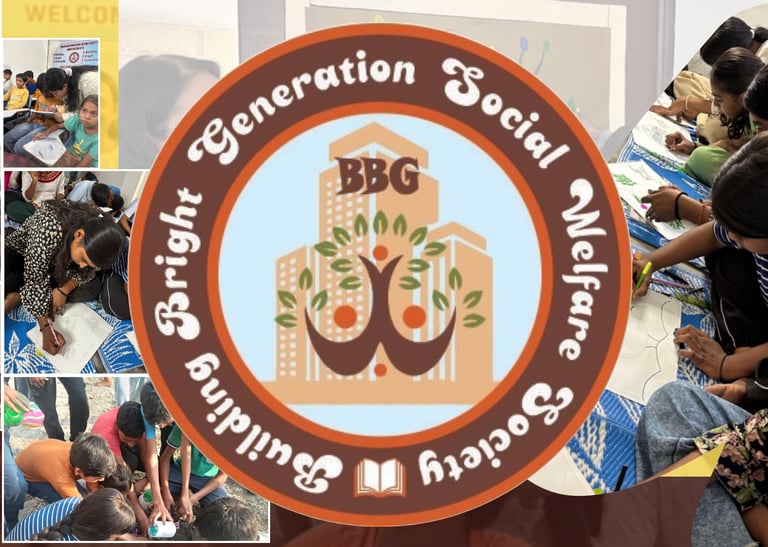
Building Bright Generation Social Welfare Society has been committed to empowering individuals and strengthening communities through skill development, education, sports, and personality enhancement programmes. Recognizing the importance of self-reliance and holistic development, the organization initiated various training programmes including Mehendi Making, Quilting, Cooking Classes, Personality Development Workshops, and Basketball Coaching. These initiatives provided participants, particularly women, children, and youth, with opportunities to acquire practical skills, build confidence, and enhance their social and economic prospects.
Our Vision
To create an inclusive and empowered society where every individual has access to opportunities for learning, skill enhancement, personal growth, and community participation. We envision a future where traditional knowledge, creativity, and modern capabilities work together to build confident, self-reliant, and socially responsible citizens.
Our Aim
Our aim is to nurture the potential of children, youth, and women through skill-based education, personality development, sports training, and life-skills programmes. By providing practical learning opportunities, we seek to promote self-confidence, employability, leadership, and overall well-being among individuals from diverse social and economic backgrounds
Our Impact
Over the years, our programmes have positively influenced the lives of numerous participants by equipping them with valuable vocational and life skills. Training in Mehendi Art, Quilting, and Cooking enabled many individuals to develop income-generating abilities, while personality development sessions enhanced communication, confidence, and leadership skills. Basketball coaching promoted physical fitness, teamwork, discipline, and perseverance among young participants. These initiatives have contributed to individual growth and strengthened community engagement.
Our Key Principles
Empowerment through Education and Skills
Promotion of Self-Reliance and Livelihood Opportunities
Inclusive Community Development
Preservation of Traditional Knowledge and Creativity
Holistic Development of Mind, Body, and Character
Gender Equality and Social Inclusion
Ethical Leadership and Social Responsibility
Continuous Learning and Innovation
Societal Benefits
Our programmes contribute to society by fostering skilled and confident individuals who can actively participate in social and economic development. Vocational training promotes entrepreneurship and income generation, reducing economic vulnerabilities. Personality development and sports activities encourage leadership, discipline, teamwork, and positive social values. By empowering women, youth, and children, the organization helps build stronger families, more resilient communities, and a society rooted in equality, dignity, and sustainable progress.
Through these efforts, Building Bright Generation Social Welfare Society continues its mission of creating opportunities, nurturing talent, and building brighter generations for a better tomorrow.
PROJECT ASTITVA- FROM SILENCE TO SELF-CONFIDENCE BEYOND CLASSROOMS: "DREAM, SPEAK, LEAD”
This programme is designed to support children from slum communities and government schools by creating opportunities for personality development, communication enhancement, confidence building, and active learning. Many children from underserved backgrounds face limited exposure to interactive education, English communication, and leadership opportunities. Through this initiative, the programme aims to bridge these developmental gaps and create a positive learning environment where every child feels heard, valued, and encouraged to grow. The programme focuses on improving English communication and interpersonal skills so that children can express themselves confidently in academic and social settings. It also aims to nurture self-confidence, leadership abilities, and positive self-expression among children who may struggle with hesitation, fear, or low self-esteem.
Vision
To create an inclusive and empowering learning ecosystem where every child, regardless of socio-economic background, discovers their unique potential, develops confidence in their voice, and emerges as a compassionate, responsible, and capable leader. Inspired by Indian values of Vasudhaiva Kutumbakam, Seva, and Atma Vishwas, the programme envisions a future where every child is equipped with the confidence, communication skills, and life skills necessary to thrive in society.
Mission
To empower children from slum communities and government schools through child-centred, experiential, and joyful learning opportunities that strengthen communication skills, self-confidence, leadership abilities, creativity, and social responsibility. The programme integrates indigenous educational values with innovative learning methods to nurture well-rounded individuals capable of contributing positively to their communities and society.
Aim
The programme aims to bridge educational and personality-development gaps among underserved children by creating safe and engaging learning spaces that promote English communication, self-expression, confidence-building, leadership development, and active participation. Through storytelling, theatre, games, discussions, and interactive learning activities, Project Astitva seeks to help children overcome hesitation, discover their strengths, and develop the skills needed for personal and social growth.
KEY FOCUS OF THE PROGRAMME:
To improve English communication and interpersonal skills among children from slum communities and government schools.
To build self-confidence, leadership qualities, and positive self-expression.
To create interactive learning spaces through activities, storytelling, games, theatre, and group discussions.
To encourage children to participate actively in education and community engagement.
To bridge educational and personality-development gaps among underserved children.
Core principles and Values of the programme:
Core Values and Indigenous System of Education
Compassion: Compassion has been deeply rooted in Indian philosophy through the concept of “Karuna” (kindness and empathy) found in Buddhist and Hindu teachings. Ancient education emphasized helping others, respecting humanity, and practicing kindness towards all living beings. The programme encourages children to support, respect, and uplift one another, creating emotionally safe and caring learning spaces.
Equality : The ancient Indian principle of “Vasudhaiva Kutumbakam” — “The world is one family” — promotes equality, inclusion, and collective harmony beyond social divisions.The initiative believes every child deserves equal opportunities for learning, confidence-building, and self-development regardless of background.
Creativity : Ancient Indian education systems encouraged art, storytelling, music, theatre, debates, and creative thinking as essential parts of learning and personality development. Through theatre, storytelling, games, and interactive activities, children are encouraged to think creatively and express themselves freely.
Confidence: The Bhagavad Gita highlights self-belief, courage, and inner strength through the idea of “Atma Vishwas” (self-confidence and faith in oneself). The programme helps children overcome hesitation, develop self-esteem, and confidently express their thoughts and talents.
Leadership: Ancient Gurukul education focused not only on knowledge but also on discipline, responsibility, decision-making, and ethical leadership. Children are encouraged to take initiative, participate actively, work in teams, and develop leadership qualities through collaborative learning activities.
Learning with Joy : Traditional Indian learning systems emphasized experiential and joyful learning through nature, dialogue, storytelling, and practical experiences rather than rote memorization. The programme adopts activity-based and joyful learning methods that make education engaging, interactive, and meaningful for children.
Social Responsibility: The principle of “Seva” (selfless service) has always been an important part of Indian culture and education, teaching individuals to contribute positively to society. The programme inspires children to become responsible individuals who care for their communities and contribute towards positive social change.
Core Principles of the Programme
Inclusivity – Every child deserves equal learning opportunities.
Empowerment – Confidence-building is as important as academics.
Participation – Children learn best through interaction and engagement.
Respect & Dignity – Every child’s voice matters.
Holistic Development – Focus on emotional, social, and communication growth.
Child-Centred Learning – Learning methods adapted to children’s needs and pace.
Community Development – Stronger children create stronger communities.